How Do You Start a Career in Technology With No Experience?
You can start a career in technology with no experience by building curiosity, learning basic programming, and experimenting with real projects. Many successful technologists began by teaching themselves, reading documentation, and solving problems step by step. Formal qualifications can help, but they are not required to begin. The foundation of a technology career is problem-solving, persistence, and hands-on learning.
That was certainly true in my case.
I grew up learning computers long before the internet, YouTube tutorials, Stack Overflow, or even Google existed. There were no online courses or instant answers. What I did have was curiosity, patience, and a willingness to break things until they worked again.
Looking back, I now realise that I didn’t just stumble into technology — I was building the skills that would later shape my entire career. At the time, it felt like play. In reality, it was the beginning of everything.
Key Takeaways
How do people start a career in technology with no experience?
Many people start a career in technology with no experience by learning basic programming, experimenting with computers, and building small projects. Curiosity, hands-on learning, and problem-solving skills matter more than formal experience at the beginning.
How did programmers learn to code before the internet?
Programmers learned to code before the internet by reading manuals, typing code from books and magazines, and learning through trial and error. This approach helped build strong fundamentals and problem-solving skills.
What was the first programming language most people learned?
For many early computer users, BASIC was the first programming language they learned. BASIC was widely available on early home computers and taught core programming concepts such as logic, loops, and variables.
Can you learn programming without going to college?
Yes, it is possible to learn programming without going to college. Many people learn through self-study, practical projects, and hands-on experimentation, which can lead to a successful career in technology.
Are old computers useful for learning programming today?
Old computers are useful for learning programming because they focus on fundamentals rather than tools. Modern platforms like Raspberry Pi offer a similar learning experience by encouraging experimentation and understanding how computers work.
What skills do you need to start a career in technology?
To start a career in technology, you need problem-solving skills, curiosity, basic programming knowledge, and a willingness to learn. These skills can be developed through hands-on projects and self-directed learning.
What inspired early programmers to work in technology?
Early programmers were often inspired by hands-on access to home computers, experimentation with code, and the excitement of making computers perform tasks. This curiosity frequently led to long-term careers in technology.
Is learning programming on your own still relevant today?
Learning programming on your own is still relevant today because technology constantly changes. Self-learning builds adaptability, independence, and a deeper understanding of how systems work.
Table of Contents
The Weekend That Changed Everything
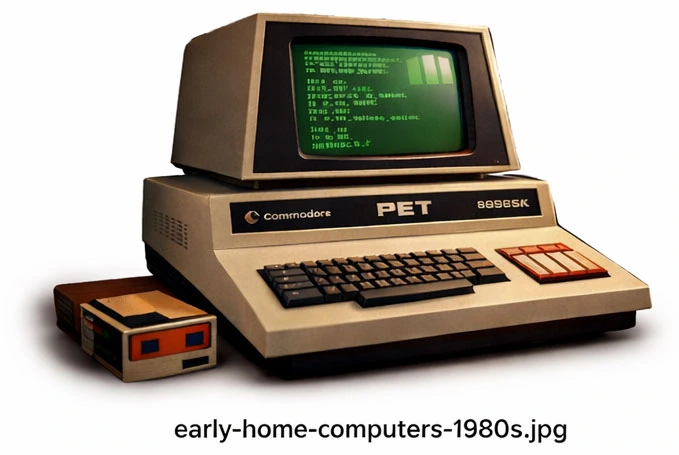
My introduction to computers happened when I was around 12 years old during a weekend stay at my sister’s house. Her husband brought home a computer from work, A Commodore Pet—a machine I had never seen before. At the time, computers were mysterious, rare things. Most electronic entertainment came from single‑purpose consoles or simple games. This machine was different.
Reflecting on how I started my career in technology helps me appreciate the milestones along the way. Each experience contributed to my growth and reinforced the idea that staying curious is fundamental.
It had a keyboard, a screen filled with text, and commands you could type to make things happen. I watched in amazement as programs were written in a language called BASIC, lines of text transforming into real actions. There were games stored on cassette tapes, loading slowly but magically. Graphics were made from text characters because the computer had no true graphics at all—and yet, it felt revolutionary.
That single weekend completely redirected my life. I went from having no interest in computers to wanting to understand everything about them.
Learning to Code Before the Internet
What struck me most wasn’t the games—it was watching programs being written. A few lines of code could solve problems, display messages, text-based games or ASCII graphics. Even create simple animations. BASIC wasn’t “basic” at all to me. It was powerful, logical, and endlessly fascinating.
There were no online tutorials to fall back on. Learning meant experimentation, trial and error, and reading manuals cover to cover. When something broke, you figured out why. When a program failed, you debugged it line by line. That process built problem‑solving skills that still serve me today.
Looking back, this style of learning forced you to truly understand what you were doing—and that’s something modern learners can still benefit from.
Becoming a Sinclair ZX Spectrum Kid
As I reflect on how I started my career in technology, I realize that the best experiences often come from experimentation and a willingness to learn.
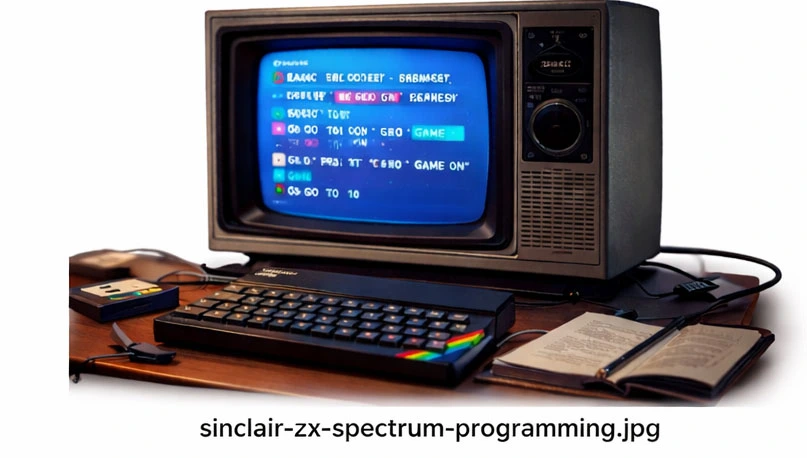
Not long after that first experience, a colour television appeared in my bedroom. At first, I thought it was for watching late‑night horror films. I later discovered it was actually intended as a monitor for my very own computer.
That computer was a Sinclair ZX Spectrum.
From that moment on, I proudly became what was known as a “Speccy head.” Home computers still weren’t common in the early 1980s, and owning one felt like being part of an exclusive club. The machine came with a thick ring‑binder manual, which I read from start to finish. Every example was tried. Every experiment mattered.
Games like Pac‑Man, Donkey Kong, and Space Invaders were thrilling—but coding was even better. I wrote programs that did silly things, useful things, and occasionally things that broke spectacularly.ud to be a privileged member.
Taking Computers Apart (and Putting Them Back Together)
As accessories appeared—joysticks, expansion packs, even speech synthesis modules—I became more adventurous. I built my own phonetic dictionary so the computer could “speak” words that sounded vaguely human. I upgraded the keyboard from rubber keys to a proper mechanical one. That particular experiment didn’t go as planned, but it introduced me to something even more important: hardware modification. These beginnings also lead me to build my own computers.
Taking computers apart, modifying them, and figuring out how they worked internally became a lifelong habit. Today, that same curiosity shows up in my work with Raspberry Pi projects, home labs, and 3D‑printed solutions.
Writing My First Game
Adventure games captured my imagination completely. Inspired by this, a close friend and I decided to write our own text‑based adventure. We chose a very British theme: Guy Fawkes and the Gunpowder Plot.
You played as Guy Fawkes, navigating puzzles and traps with the goal of completing the mission. It wasn’t polished, but it worked—and finishing it felt incredible. Creating something from nothing with code was addictive.
These experiences remind me of how I started my career in technology and the importance of embracing new challenges.
A National Competition and a Big Confidence Boost
Through these moments, I discovered how I started my career in technology, turning my childhood fascination into a lifelong passion.
My sister later encouraged me to enter a national computer programming competition. I created a simple animated project: a cup of tea walked across the screen, sat next to a teapot, asked for “Rosie Lee,” and was promptly filled.
It was quirky, very British, and entirely mine.
I came second in the competition and won a subscription to a robotics magazine. More importantly, I gained confidence. For the first time, I realized that what I was doing wasn’t just a hobby—it was a skill.
Ultimately, it was my journey of how I started my career in technology that paved the way for my professional life.
The BBC Micro and Formal Learning
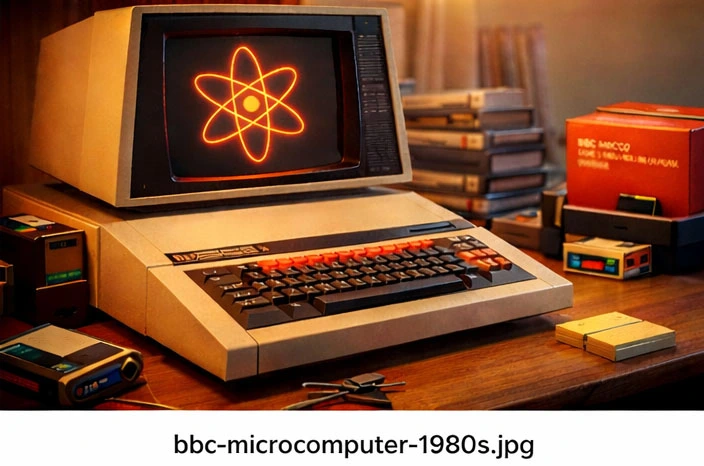
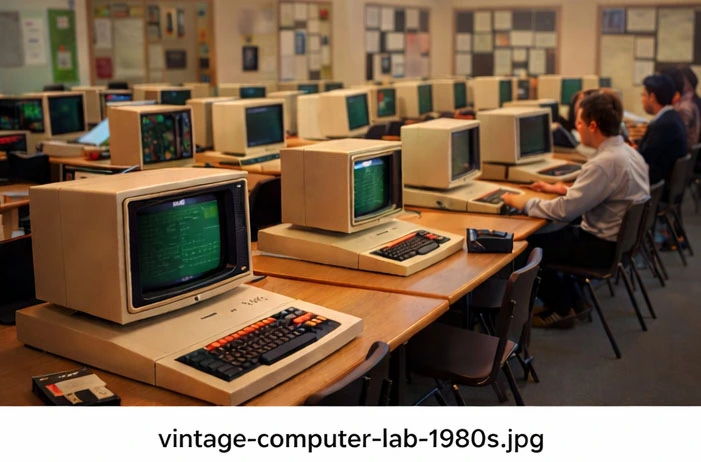
My next computer was a BBC Micro, featuring better graphics, better sound, more memory, and a proper disk drive. This was also the computer used in many UK schools, which meant my home and school learning finally aligned.
School projects came thick and fast. We had access to a computer lab with networked machines and shared storage—decades before the internet became mainstream. I learned how networks worked by experimenting, occasionally misbehaving, and always learning.
At the time, the word “hacker” wasn’t mainstream, but curiosity absolutely was.
From School to a Career in Technology
By the time I reached the later years of school, there was no doubt about my path. I pursued computing wherever possible, competed with classmates to write better code, and absorbed everything I could.
After completing community college, I landed my dream job: an apprentice computer programmer, writing software for UK local government systems. What started as curiosity had turned into a profession.
And that was only the beginning.
What Modern Beginners Can Learn From This
Understanding how I started my career in technology has been crucial for my personal and professional growth.
Technology has changed dramatically, but the lessons remain the same:
- Start small and build confidence
- Learn fundamentals, not shortcuts
- Break things and fix them
- Read documentation
- Curiosity matters more than tools
You don’t need the latest hardware or the trendiest language. Whether you’re experimenting with Raspberry Pi, learning Python, or building a home lab, the skills you build through exploration last a lifetime.
Through curiosity, I found my way to how I started my career in technology, which continues to drive my passion for exploration.
Why I Still Love Technology Today
Decades later, I still get the same excitement from technology that I felt as a teenager typing BASIC commands into an 8‑bit machine. That passion is what led me to create The Tech Hamster—a place to share real‑world experience, demystify technology, and help others feel confident using it.
Technology shouldn’t be intimidating. It should be empowering.
And sometimes, all it takes is one curious weekend to change everything.
